You might also like
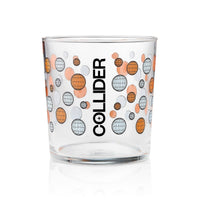
Molecule Glass
£12.00
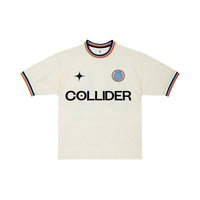
Collider FC Home Shirt 2024
£65.00

A classic style Lager without the alcohol. Crisp, dry and infused with functional mushrooms and adaptogens.
Honest guides on drinking better, winding down and the science behind what's in your glass.

Zebra striping means alternating alcoholic and alcohol-free drinks. How it works, the 3:2:1 rule, and why your alternate should taste like real beer.

What small trials show about non-alcoholic beer and gut bacteria, why alcohol is the bigger problem for your gut, and where a 36 calorie can fits.

Yes. Collider is gluten free: brewed with wheat and barley, with the gluten removed, and under 0.5% ABV. The UK 20ppm rule explained, plus coeliac advice.

Why weeknight pints can blunt you by 9am, what the hangover research shows, and why a non-alcoholic beer under 0.5% ABV means no hangover the next morning.

Is Collider beer any good? What 817 on-site reviews, an independent taste test, awards and the research say, with every claim sourced so you can check it.

Alcohol-free beer does not disrupt sleep the way alcohol does. What two small studies found, when to drink it and what to drink instead.

Can you drink non-alcoholic beer every day? For most adults, yes. Alcohol, calories, sleep and functional ingredients explained, with every study linked.

Functional beer for stress and focus, explained: what trials show for L-Theanine, Ashwagandha and Lion's Mane, the doses used, and where Collider fits.

Looking for an Impossibrew alternative? An honest UK comparison of functional non-alcoholic beers, with doses, calories, price and reviews all sourced.

Adaptogenic drinks instead of alcohol usually mean an elixir, aperitif or tonic. Here is where the beer option fits, and what the research really shows.

The best low-calorie alcohol-free beers in the UK for 2026, ranked by verified calories per can and per 100ml. See where Collider's 36-calorie can lands.

Can a non-alcoholic beer actually give you a buzz? Here's what buzz really means, the science of relaxation, and what to expect, honestly.


